
The body care aisle offers lotion, cream, butter and oil, all promising the same thing. They are not the same thing, and picking the wrong one is why a lot of people conclude that “nothing works” on their dry skin.
How moisturisers actually work
Every moisturiser does some combination of three jobs:
- Humectants pull water into the upper layers of skin. Glycerin and hyaluronic acid are the common ones.
- Emollients fill the gaps between skin cells so the surface feels smooth. Most plant oils do this.
- Occlusives form a layer that slows water escaping. Butters and heavier oils do this.
Dry skin needs all three. What separates lotion, butter and oil is how much of each they bring.
Body lotion
What it is: mostly water, with oils and humectants emulsified into it.
Strengths: it delivers actual water to the skin, spreads easily over large areas, absorbs quickly and does not leave you greasy. In Indian weather that last point matters — a product you avoid using because it feels heavy is not helping anyone.
Weakness: for very dry or cracked skin in peak winter, a lotion alone may not hold long enough.
Best for: daily, all-over, all-year use. This is the workhorse.
Body butter
What it is: a thick blend of butters like shea or cocoa, with little or no water.
Strengths: heavily occlusive. Excellent on the specific places that crack — heels, elbows, knuckles.
Weakness: it seals moisture in, but brings little water of its own. On bone-dry skin, butter alone can seal in the dryness. It is also too heavy for most people in humid weather.
Best for: targeted use on rough patches, and winter nights.
Body oil
What it is: plant oils, sometimes with fragrance.
Strengths: lovely on damp skin straight out of the bath, and it makes skin look good immediately.
Weakness: no water content at all, and coconut oil in particular is comedogenic for a lot of people — fine on legs, a common cause of back and chest breakouts.
Best for: a layer over lotion in winter, or a post-bath ritual if you enjoy it.
The mistake that undoes all three
Applying to dry skin. Whichever product you use, it works best within about a minute of stepping out of the bath, while your skin is still slightly damp. You are not just adding moisture — you are trapping the water already on your skin.
Pat dry with a towel instead of rubbing, leave skin slightly damp, then apply. This single change does more for dry skin than switching brands ever will.
A simple rule
- Everyday, everywhere: lotion on damp skin after every bath.
- Rough patches: butter on top, on heels, elbows and knuckles only.
- Peak winter: lotion first, then a thin layer of oil or butter to seal it.
- Hands: lotion again after every wash. Hands lose it faster than anywhere else.
What we make
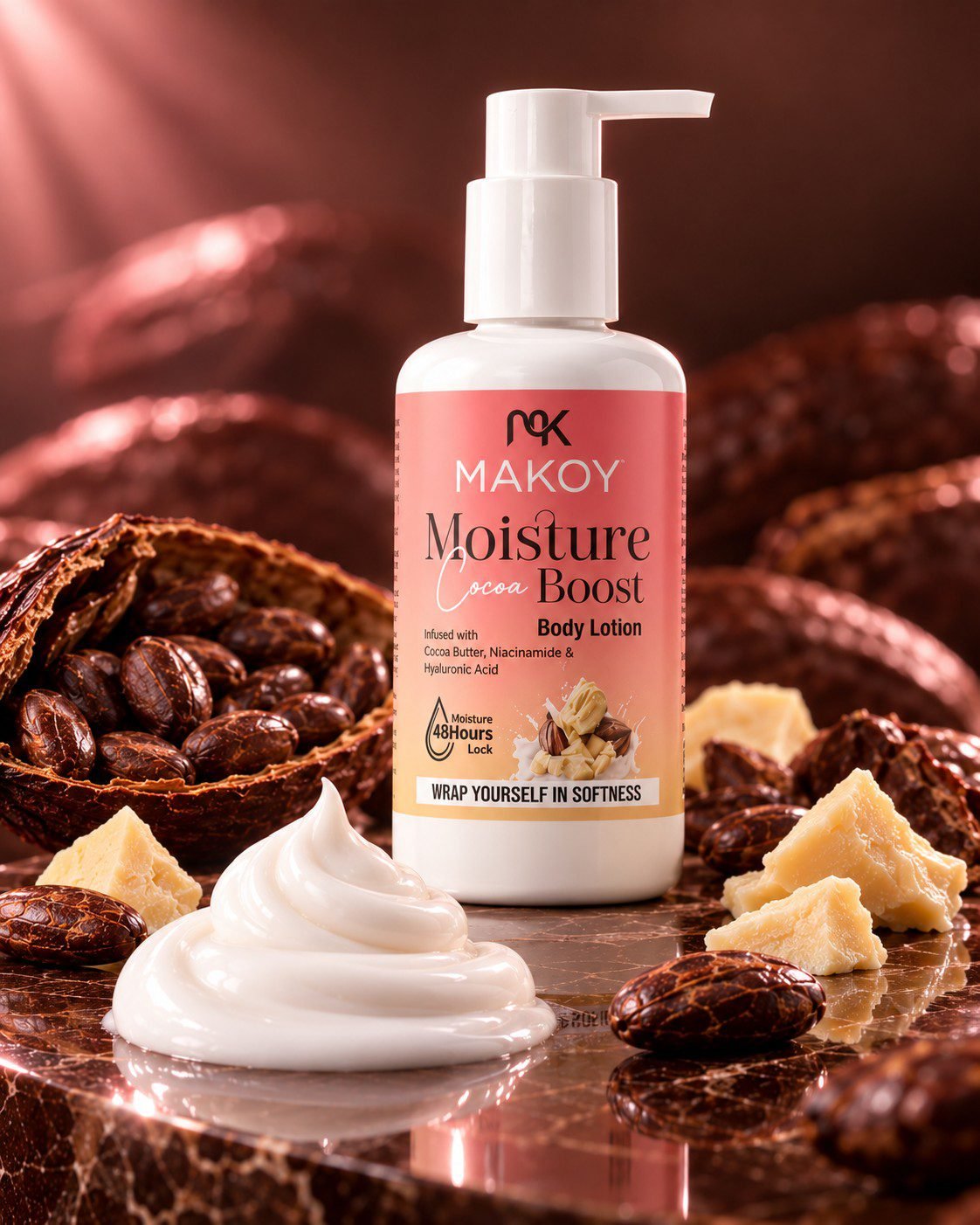
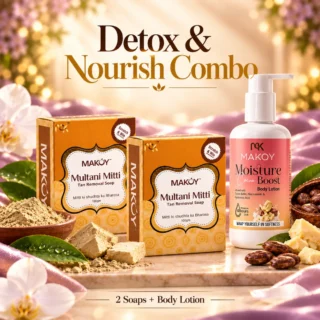
Our Cocoa Butter Body Lotion is a lotion, deliberately — cocoa butter for the occlusive side, with enough water and humectants that it actually hydrates rather than only sealing. It is rich enough for post-bath skin and light enough that you will still use it in July.
If dryness is your main concern, the full routine is on our dry skin page. For the face specifically, see do you really need a night cream.
Common questions
Can I use body lotion on my face?
Better not to. Body formulas are richer and often fragranced; facial skin is thinner and more reactive.
Is coconut oil good for dry skin?
On legs and arms, it is fine for many people. On the back, chest and face it is a common trigger for breakouts.
How often should I moisturise?
After every bath, minimum. Twice a day in winter, and after every hand wash.
Why does my skin feel dry again within an hour?
Usually the water was too hot, or the product went on skin that had already dried completely. Try lukewarm water and apply within a minute.
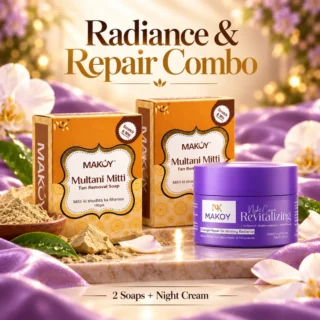
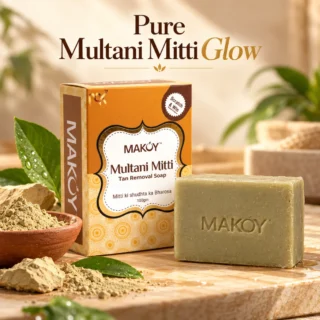
If you want a simple place to start, our handmade multani mitti soap is the one bar most Makoy customers begin with.



Leave a Reply